Shanghai
A Shanghai walk · former French Concession · half day

Bricks, arches, and a very good coffee

砖石、拱门与一杯好咖啡

Three layers of the same city in one line: a 1924 apartment shaped like a ship, the lane houses where Shanghai families still live, and the plane-tree streets where the city now drinks coffee. Walk from architecture, through the arches, to a very good flat white.

一条线读上海的三个时间层:1924年建成、船型的武康大楼;上海人至今仍住的石库门里弄;以及梧桐树下、今天上海人喝咖啡的街道。从建筑走到拱门,再走到一杯好咖啡。
3layers of the city
3 kmflat walking
Coffeeincluded, twice
Why this walk

Read the street
before you book.

The Bund shows you the Shanghai of banks and empires. This walk shows you the other one — the streets where people actually live, and where the city's three centuries sit side by side.

You will start at a 1924 Art Deco landmark designed by László Hudec, follow a lane of villas and old residences, drop into the lived-in grain of a local market street, pass through the stone arches of shikumen, and finish where contemporary Shanghai takes its coffee — in the shade of plane trees planted more than a hundred years ago.

叙事目的:按用户要求把「城市建筑 + 石库门 + 特色咖啡」串成一条线,并给三者一个统一逻辑——它们是上海的三个时间层(1920s建筑/里弄生活/当代咖啡日常)。比单纯罗列网红店更有结构,也承接「五层叠印」的城市主线。
The route · 5 stops
01

Wukang Mansion

武康大楼 · 1924
20 min·Free

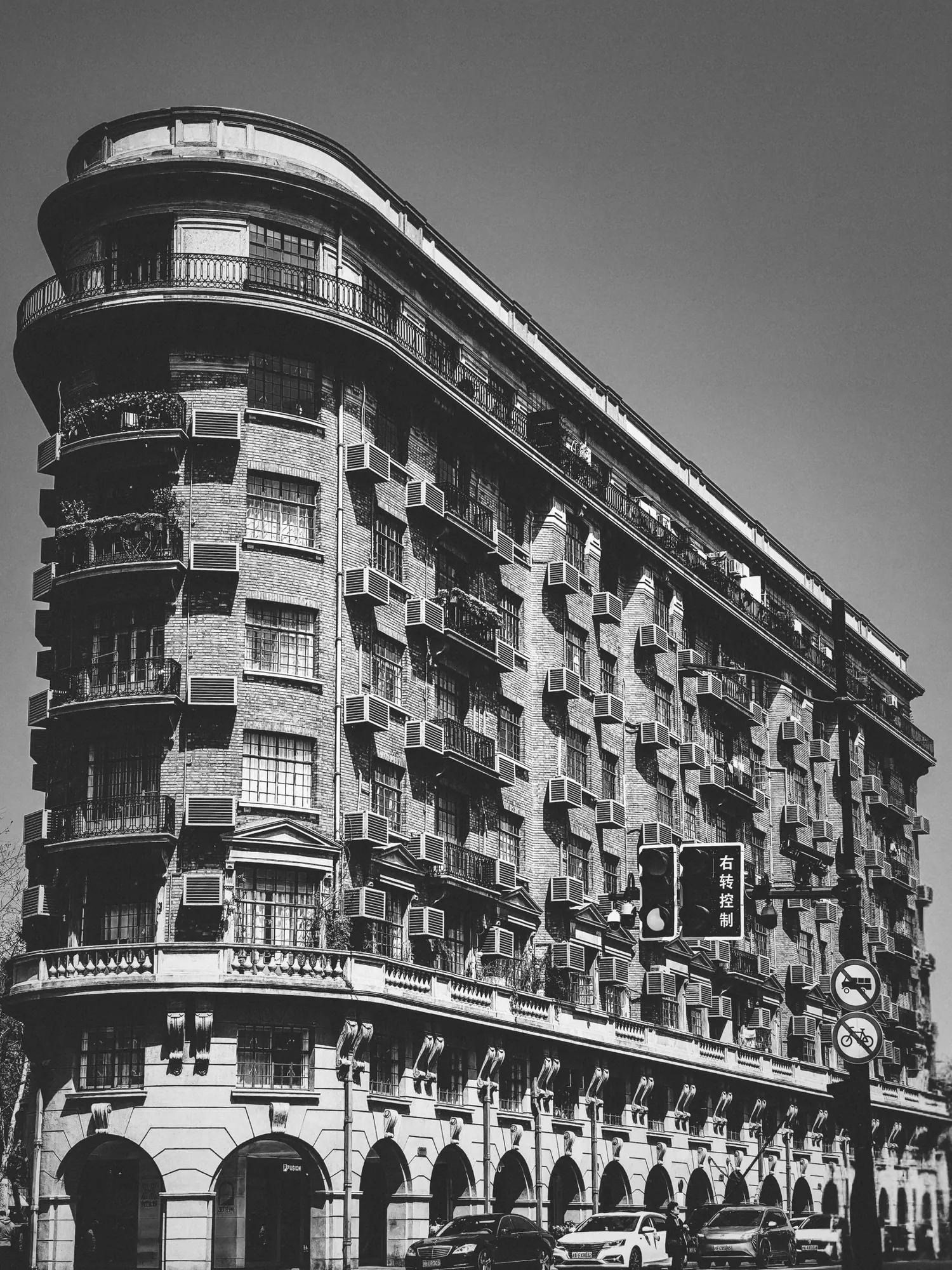
Begin at the ship. Completed in 1924 and designed by the Hungarian architect László Hudec, this wedge-shaped apartment block is the unofficial logo of old Shanghai. Its curved prow sits where three roads meet, and its red brick has watched a century of the city change around it. It is still a private apartment building — photograph it from the public pavement, never from the roadway.

The building is a ship's bow. Stand on the opposite pavement and watch bicycles pass in front of it — that contrast is the photograph everyone is trying to take.

Wukang Mansion
02

Wukang Road

武康路 · 建筑走廊
30 min·Free

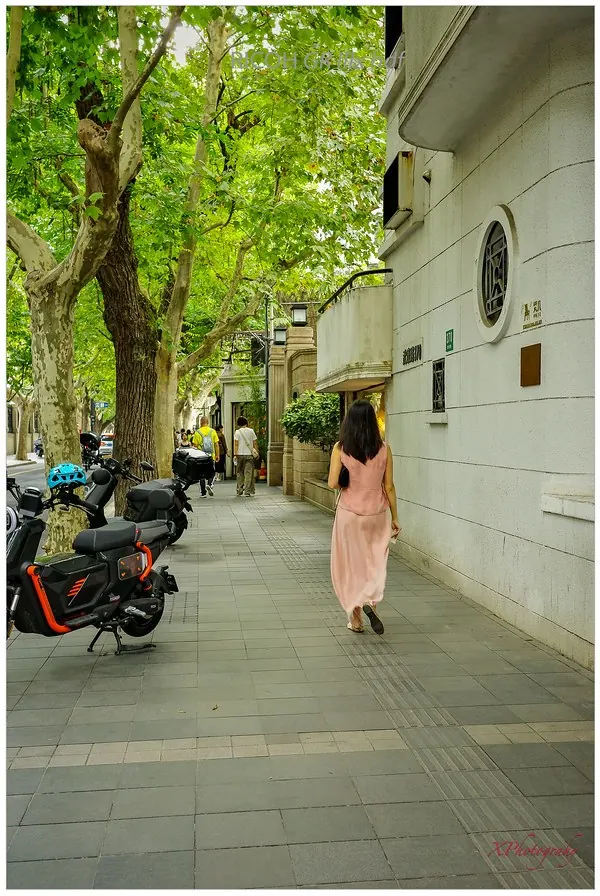
From the mansion, walk the length of Wukang Road — an open-air museum about 1.17 kilometres long. Spanish villas, English cottage façades, the former homes of officials and writers, all under plane trees planted over a hundred years ago. It bends in long curves, so the light changes every fifty metres. This is the architectural spine of the walk.

Look for the small historical plaques on the walls. Most of these are still people's homes, not attractions — the curved balconies and iron gates are the details worth slowing for.

Wukang Road
03

Wulumuqi Middle Road

乌鲁木齐中路 · 本地生活
20 min·Free

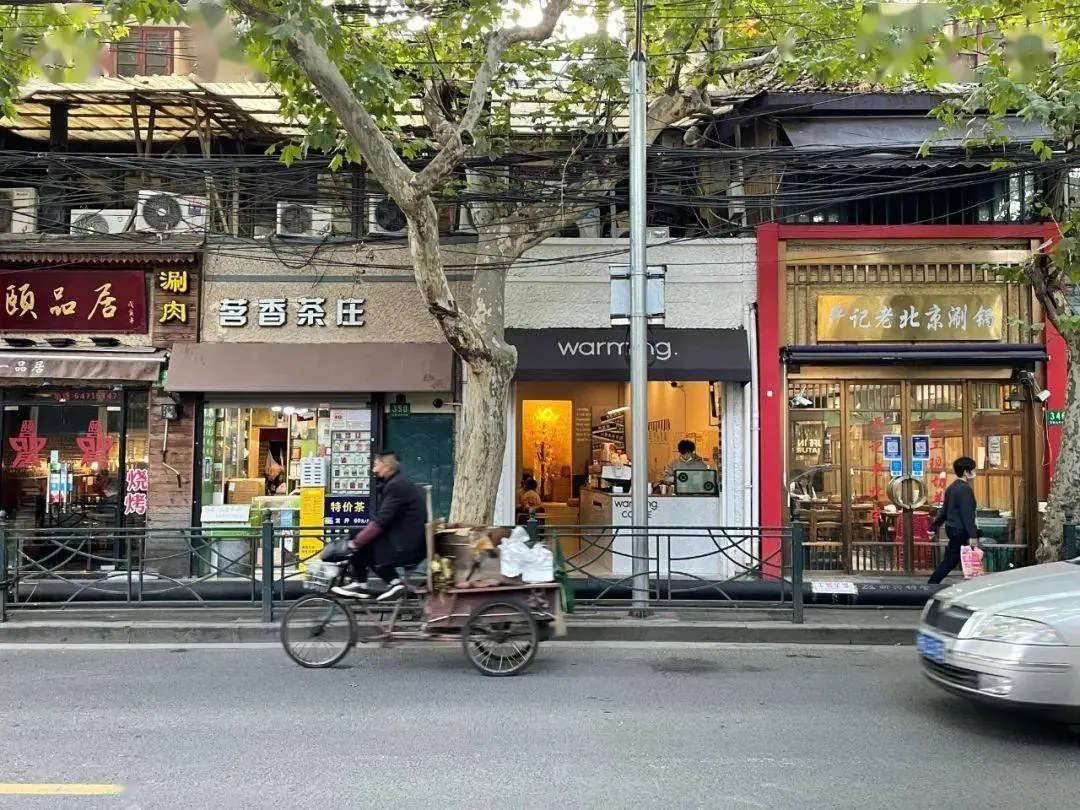
Cut across and the mood shifts from grand to lived-in. This is the Shanghai residents actually inhabit: corner fruit stands, small markets, bakeries tucked behind the trees. After the architecture of the first two stops, this street is the pause where the city becomes ordinary again — in the best sense.

Buy something from a fruit stand and keep walking. The point of this stop is not a landmark but a rhythm.

Wulumuqi Middle Road
04

Shikumen lanes & Tianzifang

石库门里弄 · 田子坊
40 min·Free

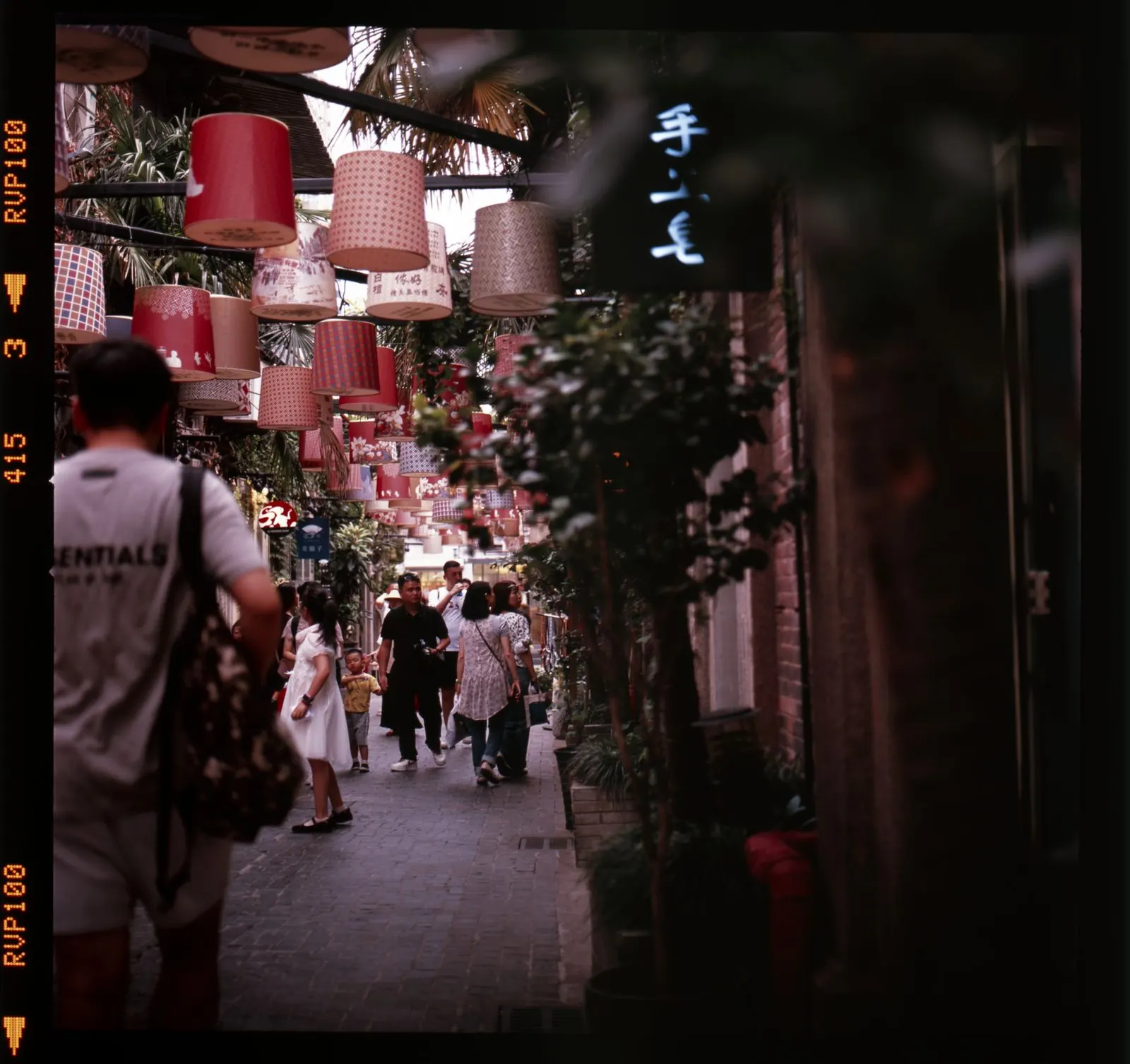
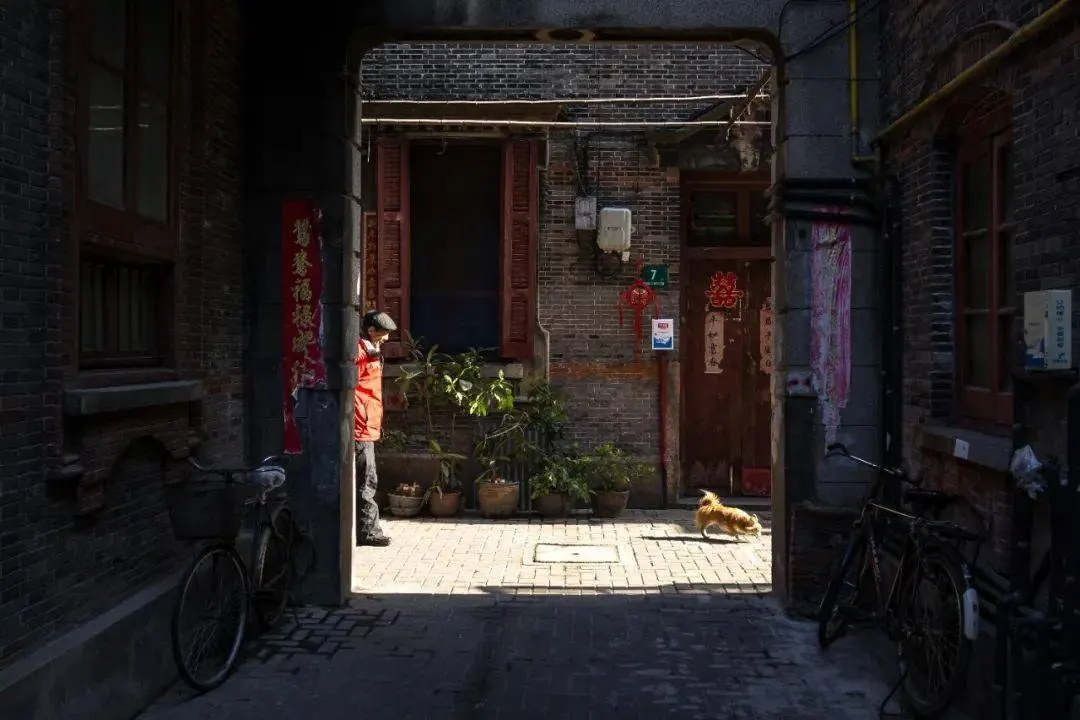
Enter the stone arches. Shikumen lanes are Shanghai's own building type — Western brick façades wrapped around Chinese courtyards — and this is where families have lived for a century. Tianzifang grew around a 1990s art community whose owners refused to sell to developers; it is commercial now, but the lane widths, the stone paving and the overhead wires are original. Go before 11 on a weekday and you may still hear residents calling to each other in Shanghainese.

Look at the lintels above the doors: Western carving and Chinese auspicious motifs on the same stone. That mixture is the whole idea of Haipai culture in one object.

Shikumen lanes & Tianzifang
05

Anfu Road coffee

安福路 · 梧桐下的咖啡
45 min·Coffee ~¥40

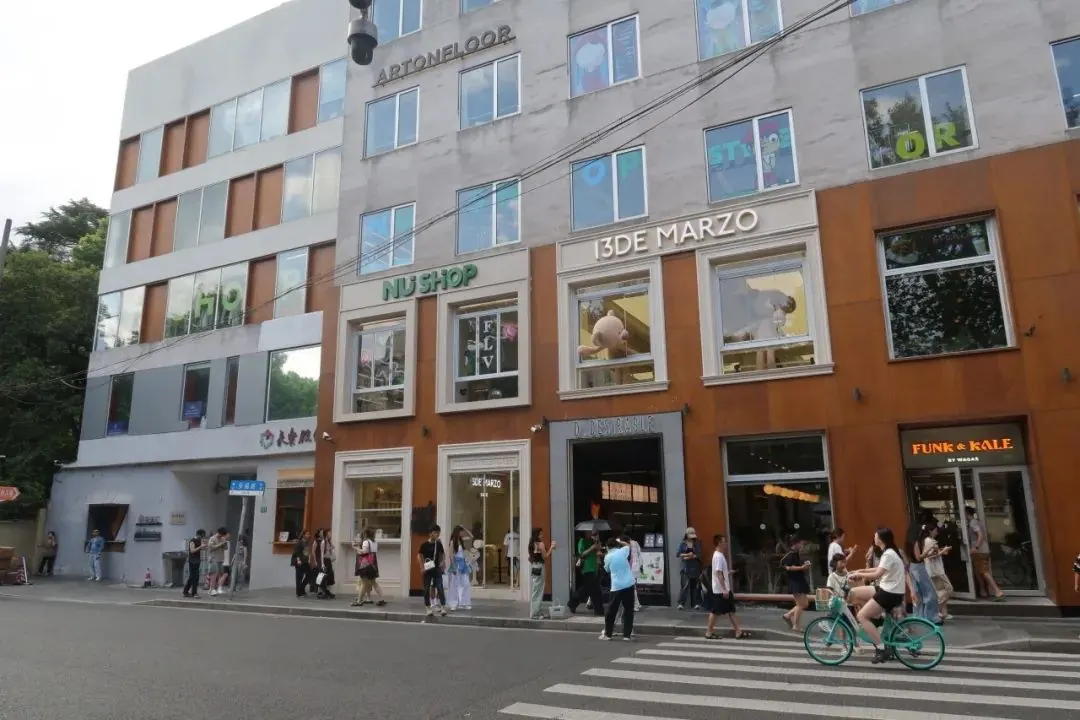
Finish where Shanghai is now. Anfu Road is a short, leafy street of design boutiques, independent cinemas and some of the best coffee in the city — the cafe density here rivals Tokyo or Melbourne. Order a flat white, take a sidewalk table, and watch the street. Then walk east to Changshu Road metro. The three layers you just crossed — 1920s architecture, the lane houses, and this — are the whole city in three kilometres.

Sit with your coffee and look back toward the direction you came. The plane trees were planted to recreate a Parisian boulevard; what grew underneath them is entirely Shanghai.

Anfu Road coffee
Where the walk leads

From looking
to making.

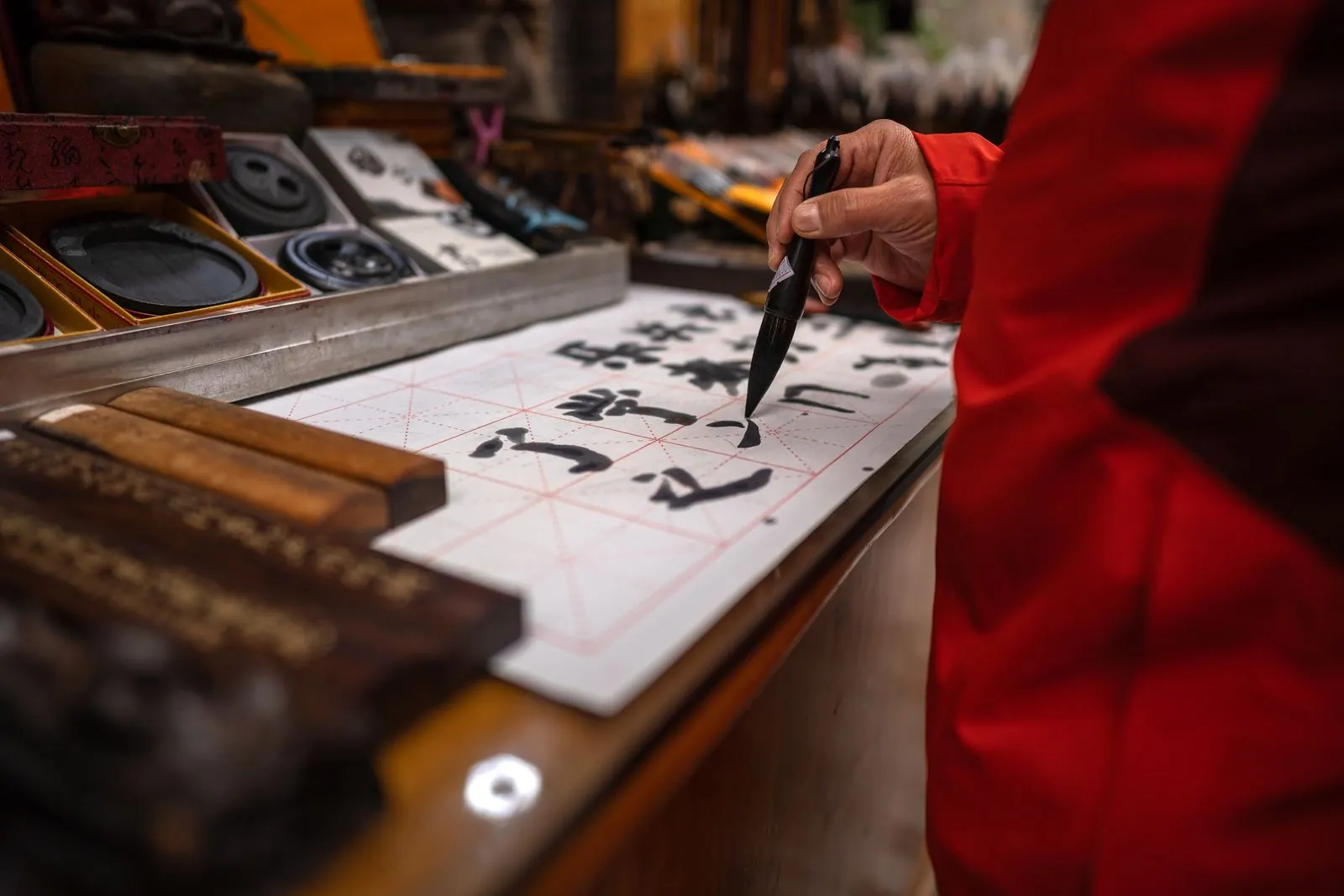
The lane houses you just walked are the same world as our Huangpu craft morning — ink, brush and woodblock are a short ride from here.

TRY THE SCHOLAR'S THREE TOOLS →
Good to know

The practical details.

StartJiaotong University metro (Lines 10/11), exit 7 — Wukang Mansion
FinishChangshu Road metro (Lines 1/7) — Anfu Road east end
DistanceAbout 3 km, flat; 90 min straight through, 3–4 hours with stops and coffee
Best timeWeekday before 10:00 for the mansion, or 14:00–17:00 for plane-tree light
CostStreets and architecture free; coffee ~¥40; some residences charge entry
EtiquetteWukang Mansion and many villas are private homes. Photograph from public pavements, not through windows. In the lanes, courtyards are not public space.
资料来源:路线依据:shanghaitourism.org《French Concession Self-Guided Walking Tour》8站路线(武康大楼→武康路→乌鲁木齐中路→安福路→五原路→长乐路/东湖路→国泰电影院);Wander in China《武康路安福路Citywalk攻略》(起点交通大学站7号出口、终点常熟路站、约3公里、90分钟至3-4小时);golocalchina 法租界指南(Art Deco、独立咖啡、咖啡密度可比东京墨尔本);田子坊1990s艺术社区与2005年创意产业区认定来自公开资料。