You came for the skyline. Stay for the five Shanghais underneath it — the water town, the scholar's county, the folk villages, the treaty port, and the city that is still being written. Each one still makes things by hand. You can meet the makers.
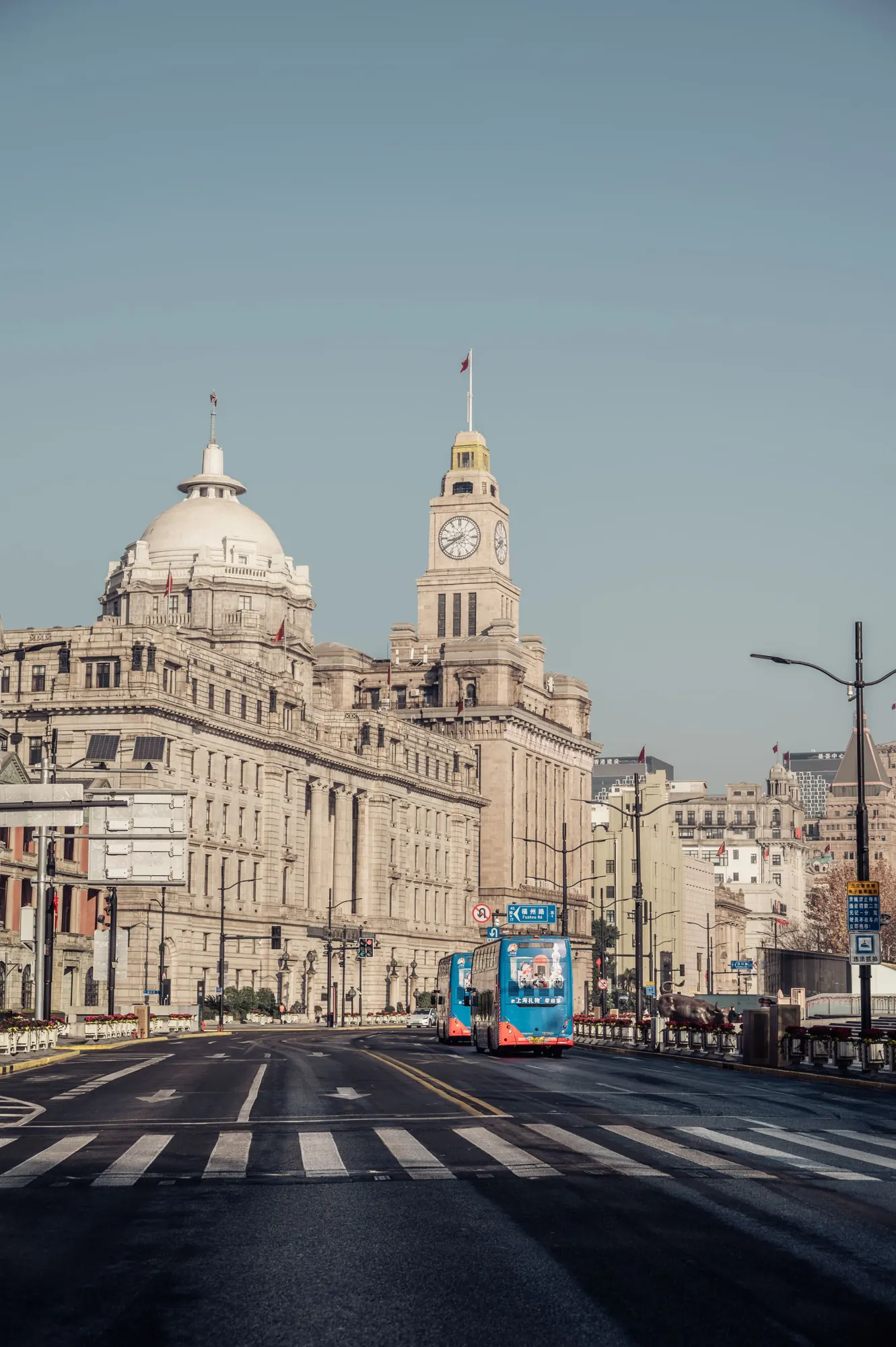
Most visitors meet one Shanghai: glass, towers, and the Bund. But this city is a palimpsest. Five older Shanghais sit underneath the modern one, and none of them disappeared — they moved outward, into the towns and villages beyond the ring road.
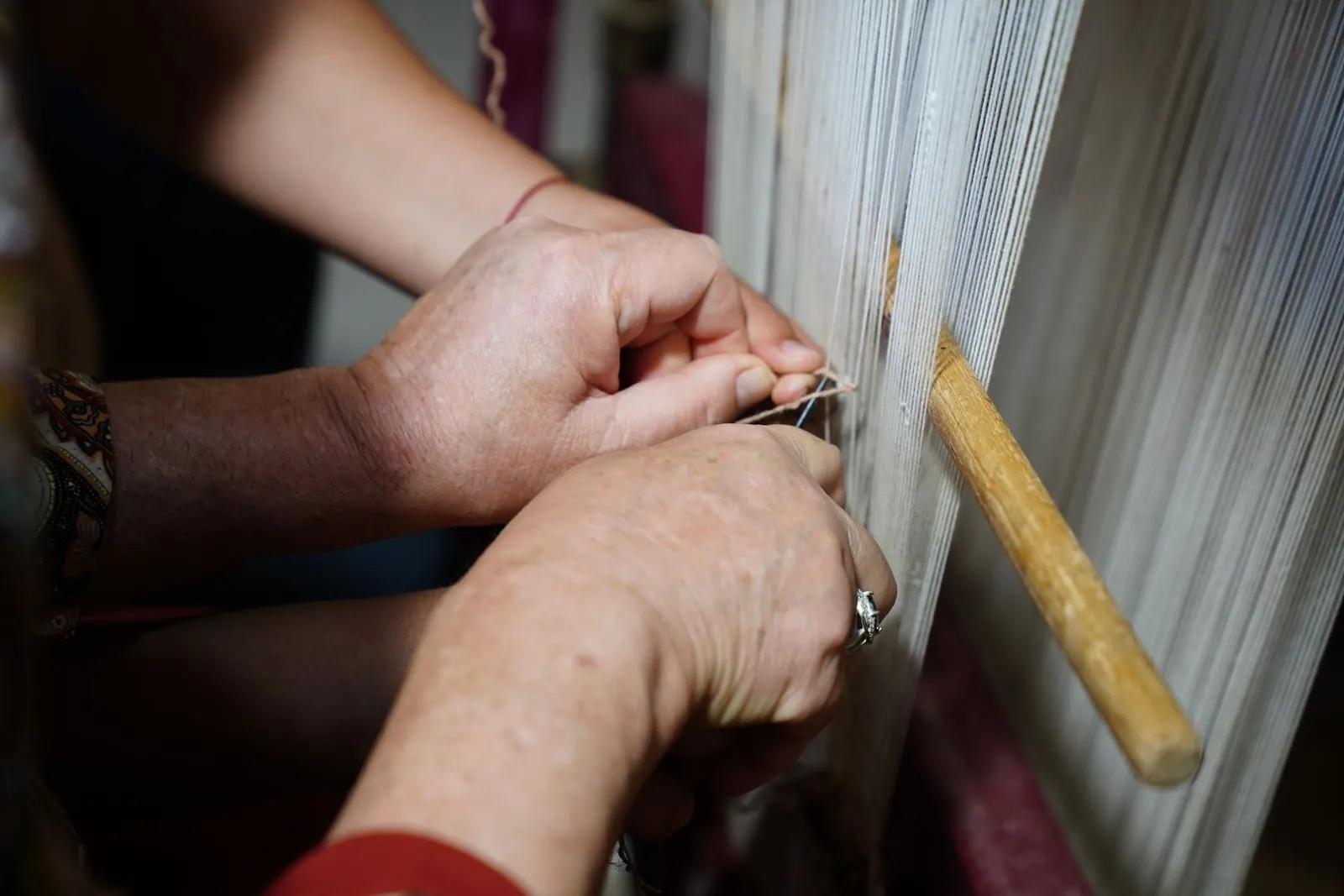
Water towns where silk is still woven by hand. A county that carved bamboo and thought skill was a form of learning. Villages where farmers paint and grandmothers steam rice cake. A port that taught its embroidery to imitate oil painting. We built nine experiences along those layers. Read the four chapters, then choose where to begin.
A private, paced walk through the streets and the stories underneath them.
Three hours with the person who still makes it. Leave with something you made.
A half-day check-up or a restorative session, added to the trip. Never the point of it.
Before Shanghai was a port, it was water. Villages grew along the creeks west of the city, and they still cook and weave the way they did when the river was the only road. Start where Shanghai started — an hour out, where the skyline disappears behind the fields.
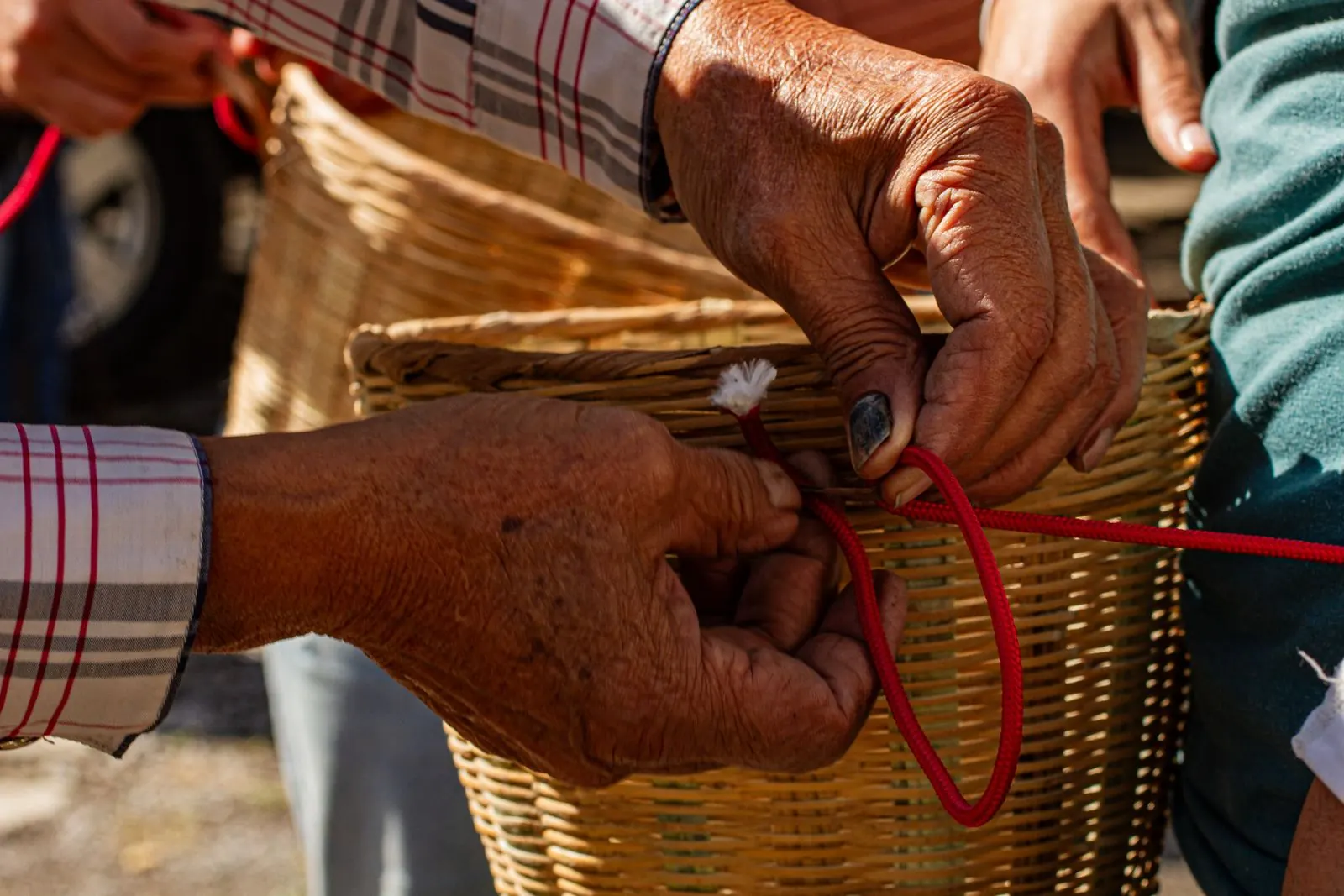
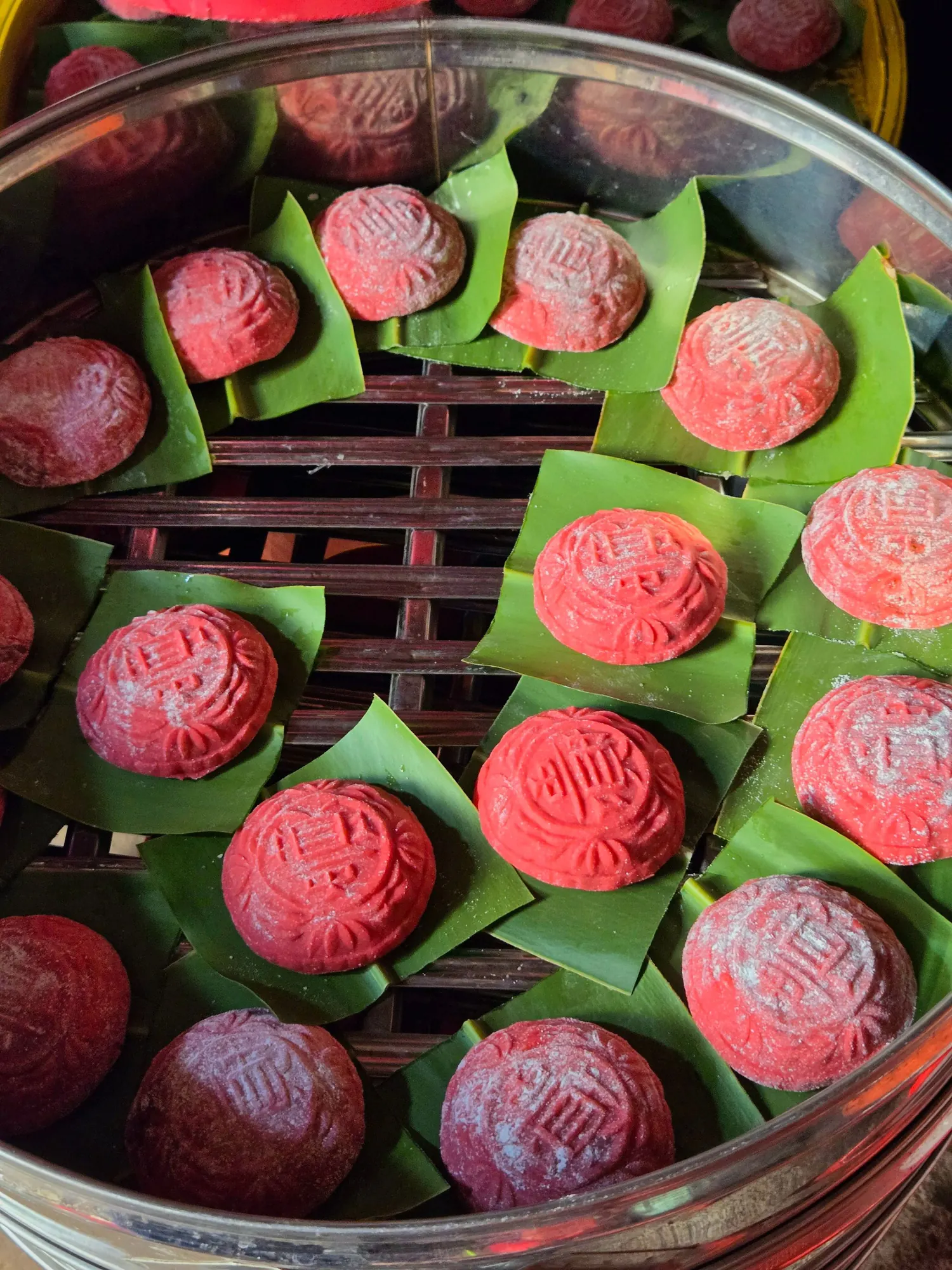
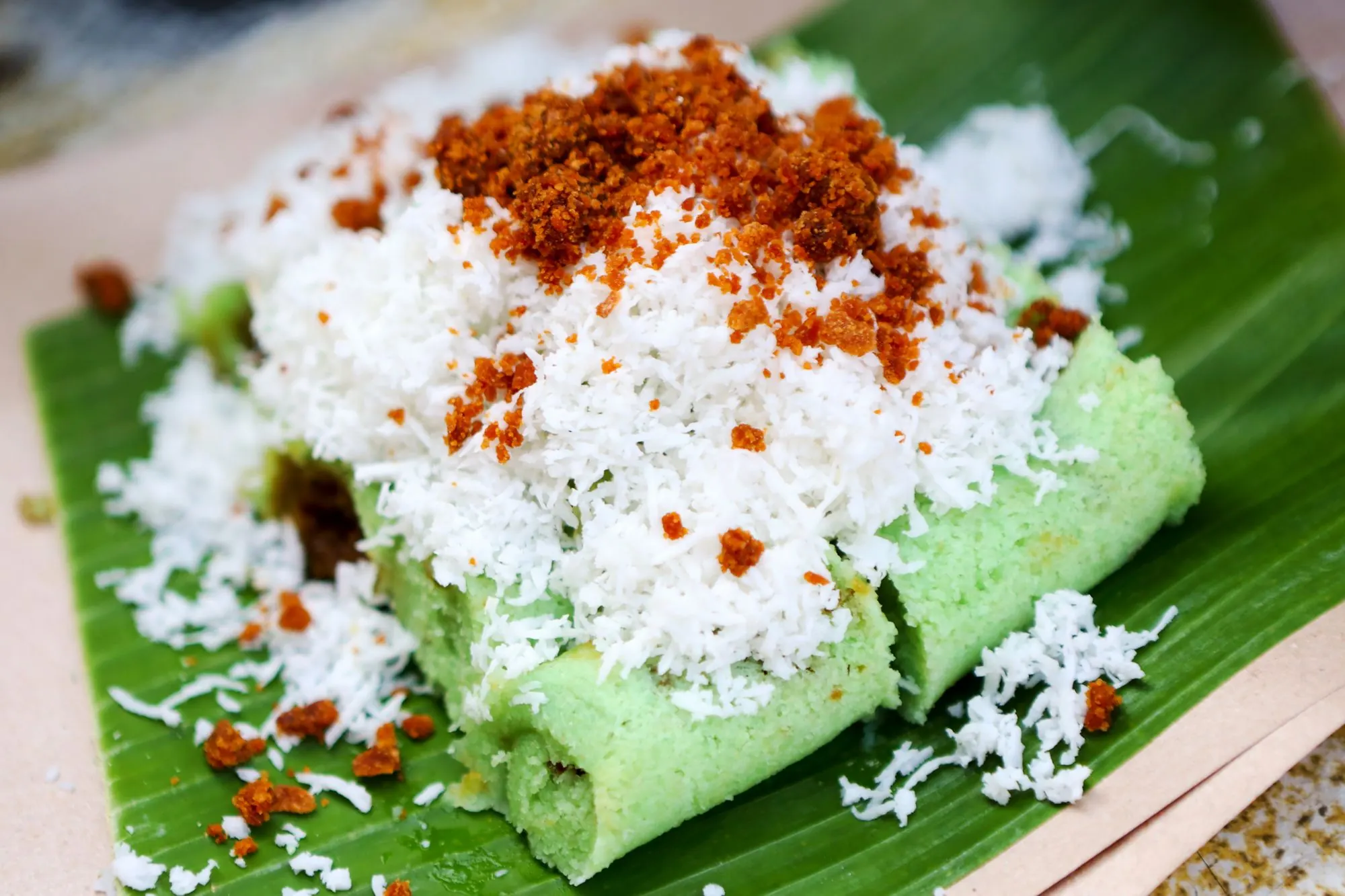
In Qingpu, reed leaves are still plaited into baskets and cloth dyed with plants from the field. In Songjiang, a soft cake is steamed before dawn. These are not performances for visitors; they are things people here have always done.

In the villages around Zhujiajiao, farmers still plait reed leaves and dye cloth with plants from the field. Work with your hands and leave with something you made — not something you bought.

Yexie soft cake has been made before sunrise for generations. Learn the folding technique from a local maker, then eat it warm — the way it was meant to be eaten, within minutes of steaming.
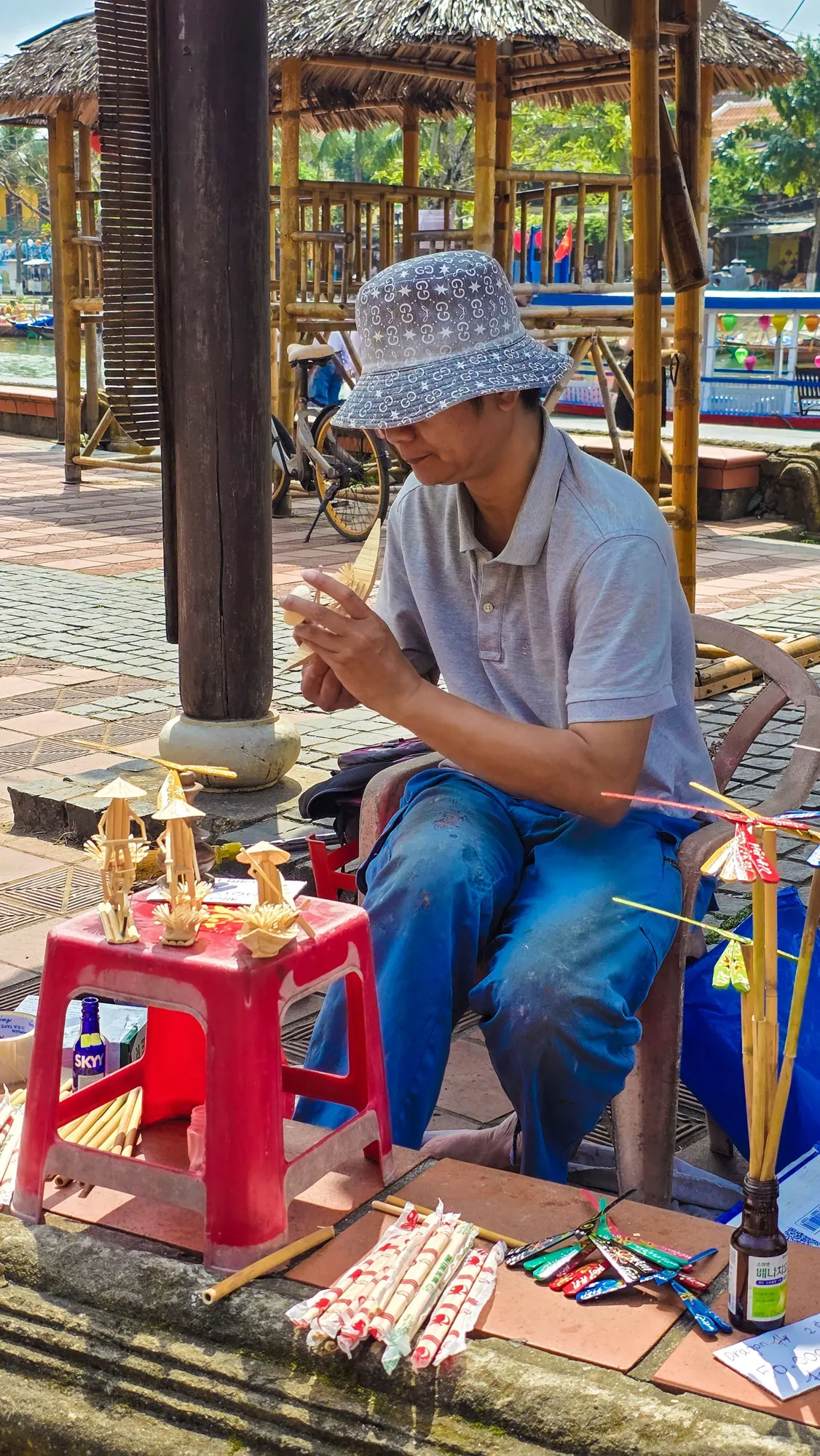
Jiading was a county that valued the hand as much as the book. Bamboo carvers, straw weavers and indigo dyers served a culture that believed skill was a form of learning. Come for the objects; leave understanding why they mattered.
The county's non-heritage industrial park now gathers makers in one village — a rare chance to see several crafts in a single afternoon, with the people who still practise them.

Sit with a carver in Shipi village and try the stroke that made Jiading famous. Then watch straw become a basket in the next room. Two crafts, one county, one afternoon.

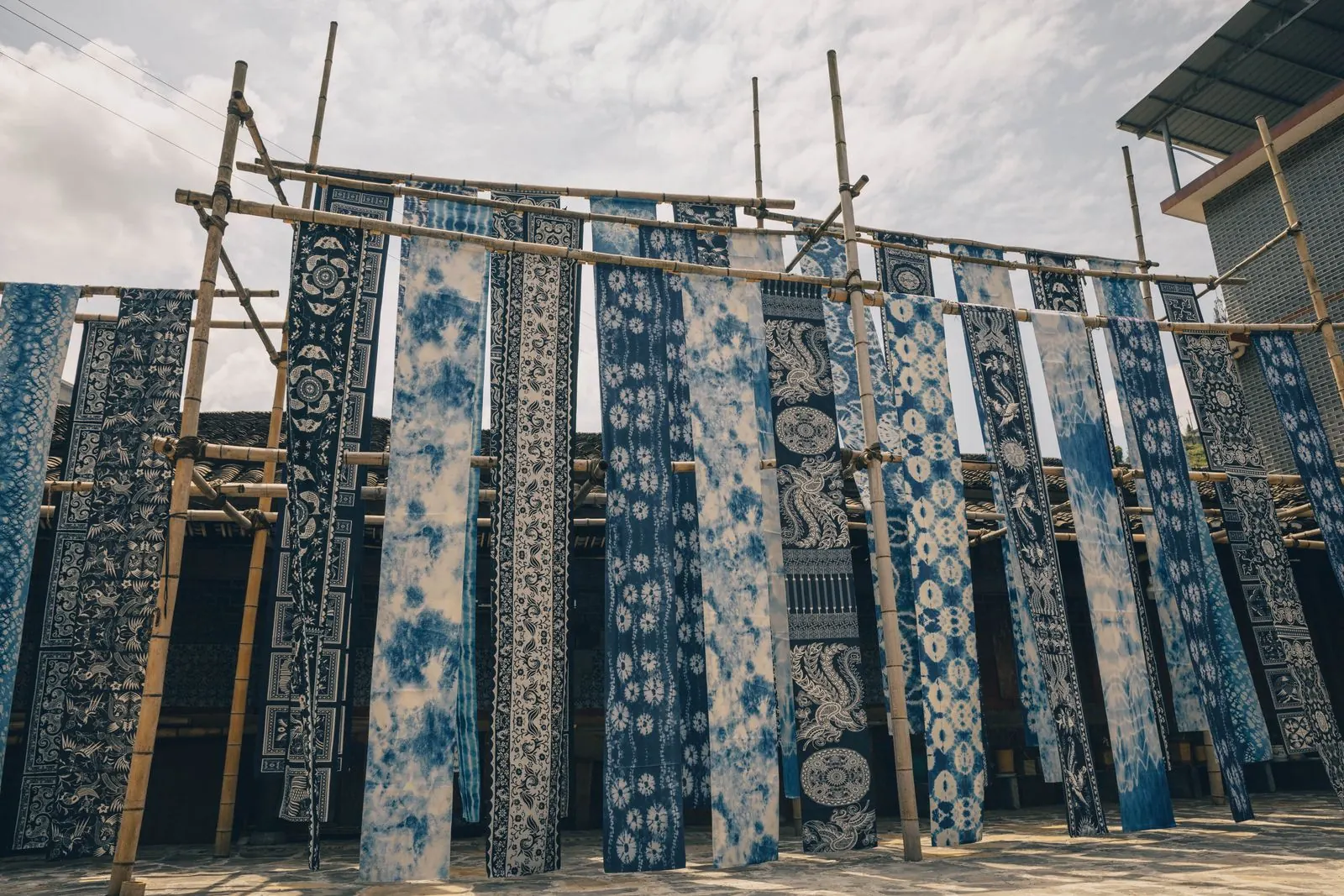
At Anting old street, cloth is dyed blue with a paste resist — a pattern held by hand before it meets the vat. Make a piece of your own and take the blue home.
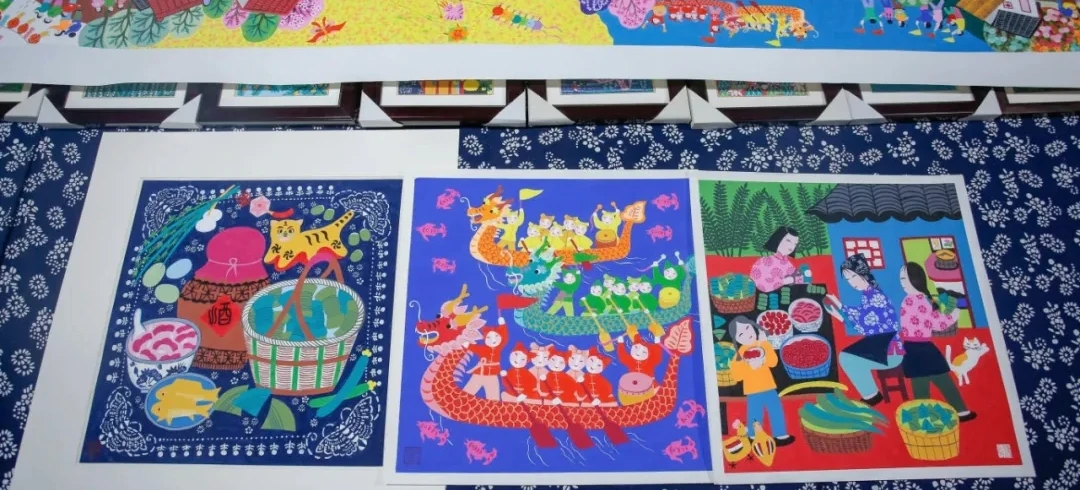
Past the ring road, the city keeps a slower pulse. Farmers paint. Villagers steam rice cakes. Soybeans ferment in jars. This is the Shanghai that locals drive out to see — and the part no skyline photograph will ever show you.
Jinshan's peasant paintings are bright and untrained; Chongming's cloth is woven on the island's own cotton. Both are an hour or more from the centre, and both reward the journey with something you cannot buy in a shop.

Jinshan peasant paintings are bright, untrained and utterly local. Visit the village, meet a painter, then eat lunch at a soybean fermentery in Zhangyan. Two villages, one very full day.


Take the ferry to an island larger than many countries. In the villages, women still weave homespun cloth and steam rice cake in wood molds. It is the oldest Shanghai you can still touch.
When Shanghai opened to the world, its crafts changed without disappearing. Wool needlework learned to mimic oil painting. The scholar's brush, ink and woodblock met the modern city. This is the layer you can reach without leaving the centre.
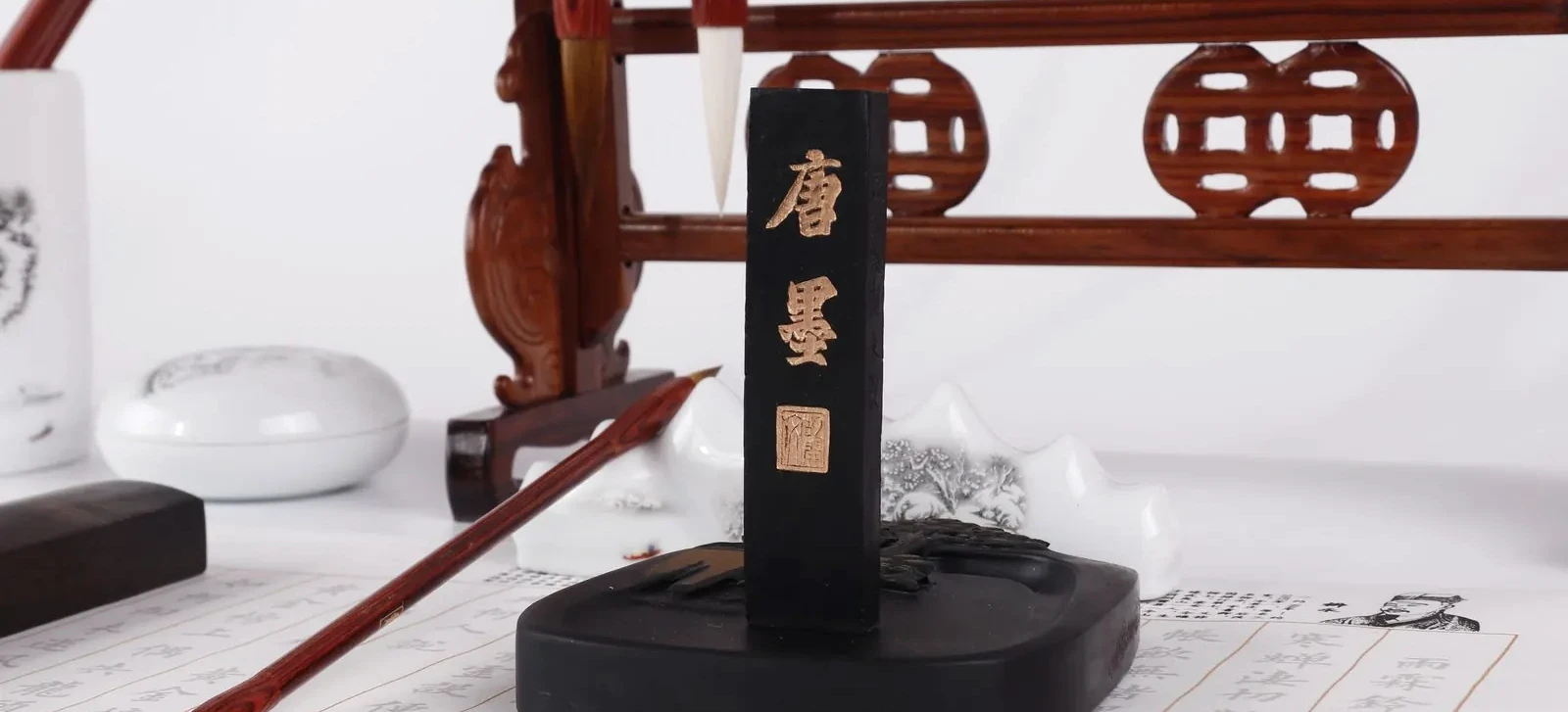
On one lane in Huangpu, ink sticks, brushes and woodblock prints are still made in shops that survived dynasties. Across the river in Pudong, a wool-embroidery maker will show you how a needle became a brush.

Grind an ink stick made the old way. Hold a brush from a shop that has survived dynasties. Print a page with water and wood. Three crafts, one neighbourhood, a morning you can fit between meetings.

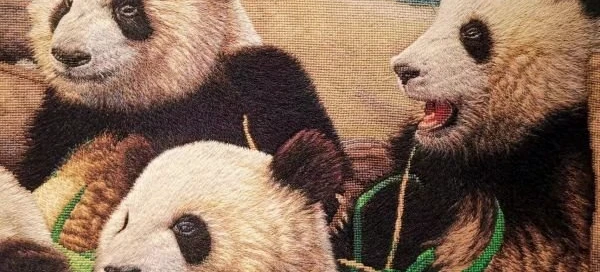
Shanghai wool embroidery learned to mimic oil painting after the port opened. At Gaoqiao, a maker will show you how a needle became a brush — and let you try a few stitches yourself.

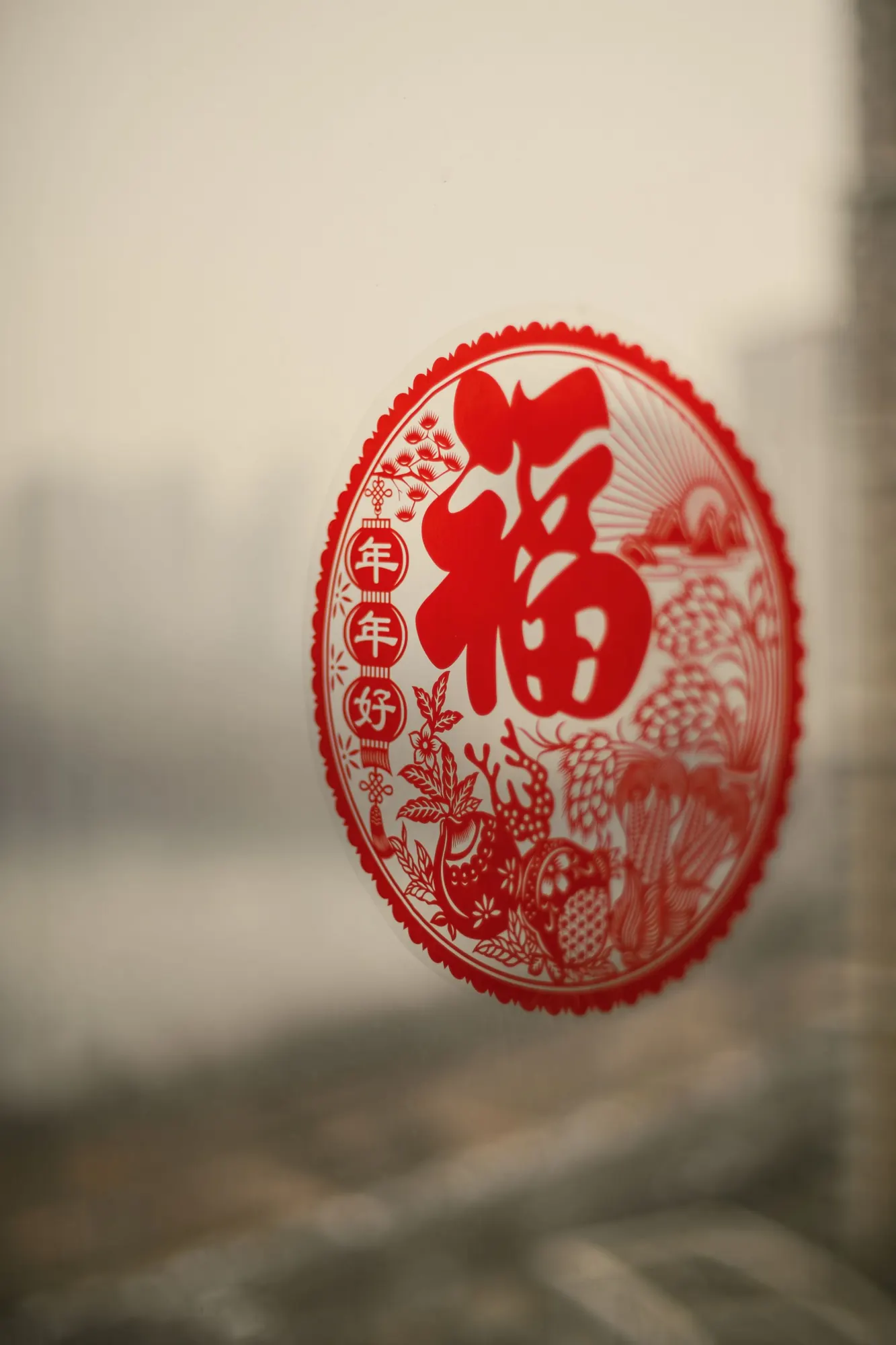
Shanghai paper cutting absorbed Western shadow portraiture and made it its own. In a centre on Chongqing Road, you can cut a portrait of someone you love from a single sheet of red paper.
"The skyline is the cover. The story is underneath."
The nine experiences can be taken alone, or combined. These are the combinations our companions most often build, arranged by how much time you actually have.
Prices are indicative pending final pricing. Routes can be rebuilt around your interests — tell us what you want to make and we will arrange the day.
Shanghai is the usual entry point for the region. Pudong and Hongqiao airports connect to most visa-free origin countries; high-speed rail reaches Hangzhou in about 50–60 minutes and Suzhou in about 25 minutes.
Huangpu, the Bund and the scholar's lane are walkable. Jiading is 40 minutes by metro and car; Pudong's Gaoqiao about 45 minutes.
Jinshan, Qingpu and Songjiang are 60–90 minutes; Chongming needs a ferry and a longer day. We include transport for full-day experiences and tell you honestly when a short transit window will not fit.
Visa-free entry currently covers tourism, business, family visits and medical treatment. Study and work still require the appropriate visa in advance. Each experience page states which stay length it fits.
Every experience includes a bilingual companion. No Chinese is needed.
Free cancellation up to 24 hours before each experience. If a maker is unavailable, we offer another date or a full refund.
SinoRoute connects you to medical resources and accompanies you. We do not diagnose, treat or give medical advice. Optional screening and TCM wellbeing can be added to a journey; any consultation is between you and the practitioner.
All nine experiences are on one page, with full itineraries and reservations.
VIEW ALL 9 EXPERIENCES →