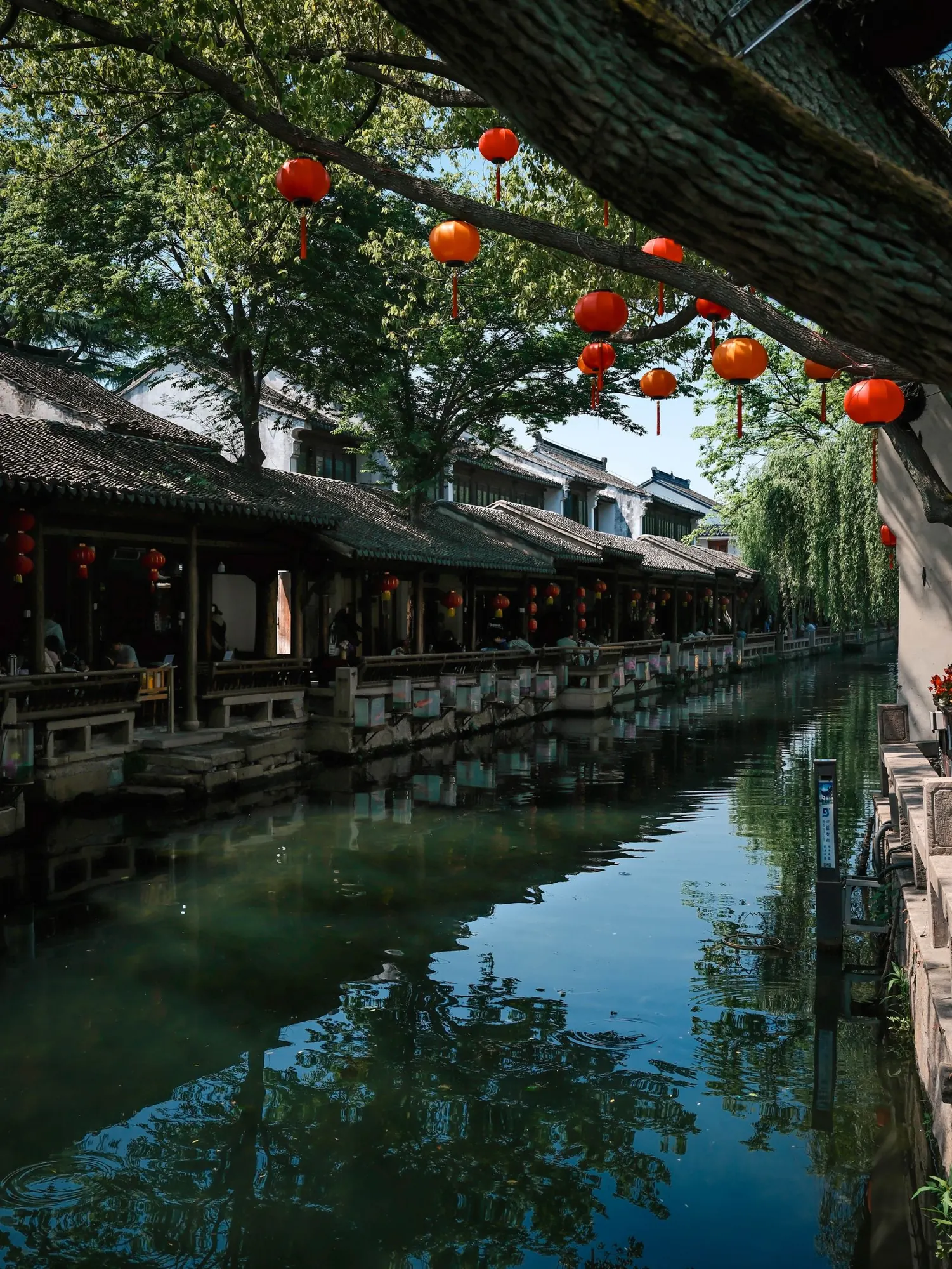
Suzhou built no monuments to itself. It refined the ordinary instead — how you listen, how you thread a needle, how you print a page, how you drink tea on an afternoon. Spend a day here and you will start noticing your own hands.
It is easy to visit Suzhou for its gardens and leave having seen only its gardens. The city's deeper habit is quieter: it turned the ordinary acts of living — listening, dressing, decorating, eating — into arts that were practised by ordinary people.
We arranged nine experiences along four senses. Listen to kunqu, thread a needle in Zhenhu, print a blessing in Taohuawu, drink tea on Dongshan. Each is led by someone who still does the work. Read the chapters, then choose a sense to follow.
A private, paced walk through the streets and the stories underneath them.
Three hours with the person who still makes it. Leave with something you made.
A half-day check-up or a restorative session, added to the trip. Never the point of it.
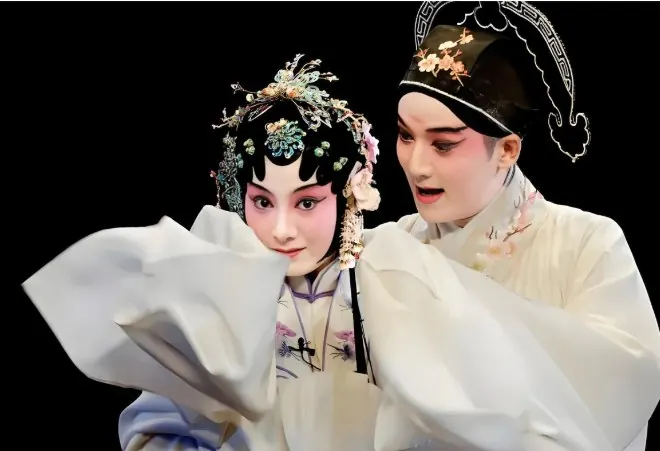
The first thing Suzhou asks of you is to sit down and listen. Kunqu — six hundred years old and the ancestor of Chinese opera — was born here. Its language is so musical that a story can be understood without being translated word for word.
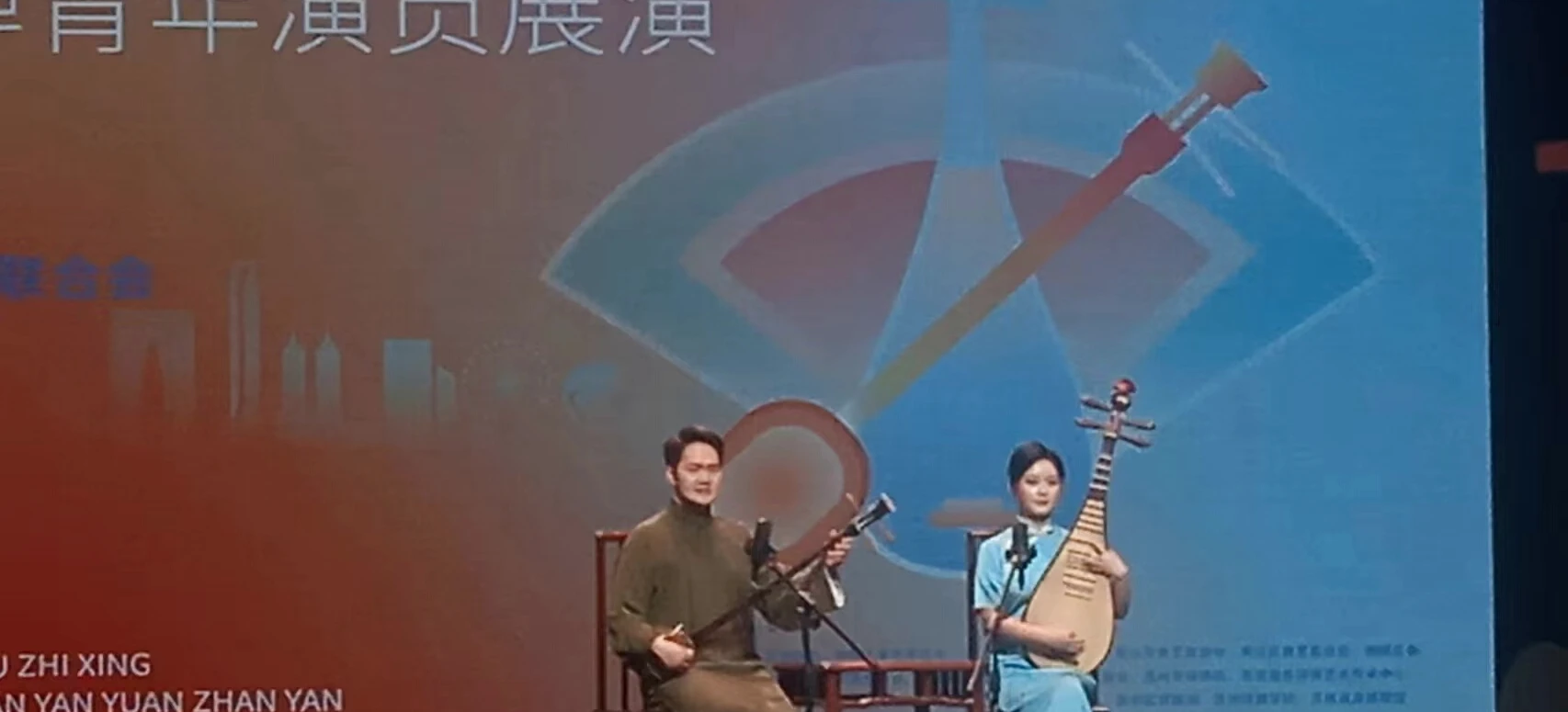
Pingtan is its quieter cousin: one voice, one lute, and a story told across an entire afternoon in a teahouse. Neither was staged for tourists. They are simply what this city does in the evening.

Kunqu is six hundred years old and the ancestor of Chinese opera. Hear an excerpt beside the canal, then walk through the museum that keeps its costumes and scores. Six centuries of theatre in one evening.

Pingtan is storytelling with music — a single voice alternating between narration and song. Order tea, sit back, and let an afternoon pass in a language you will not fully understand but will feel.
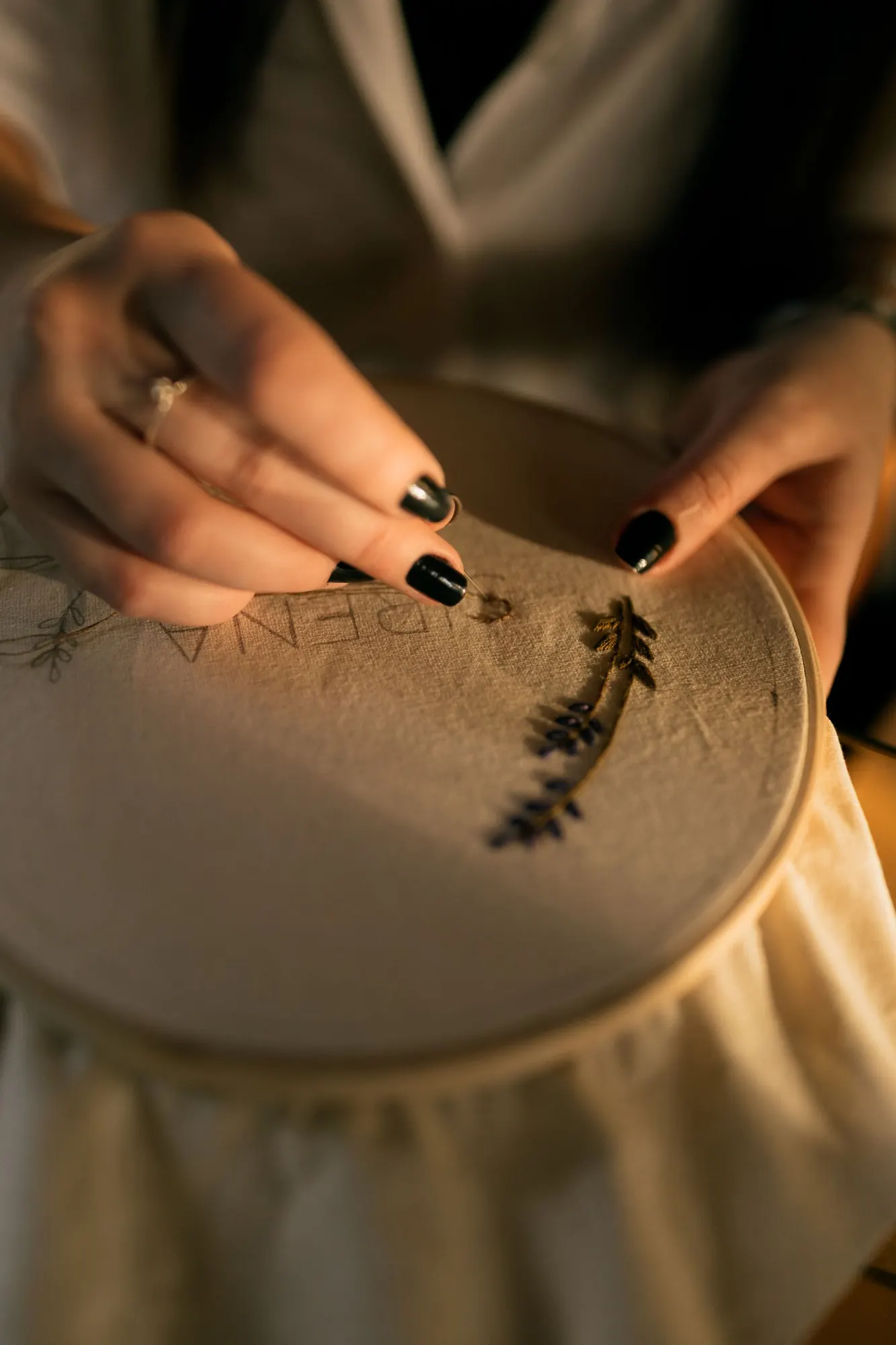
Suzhou's most famous art is made one stitch at a time, often with silk split into threads finer than hair. In Zhenhu, a town west of the city, nearly everyone is connected to the embroidery trade.
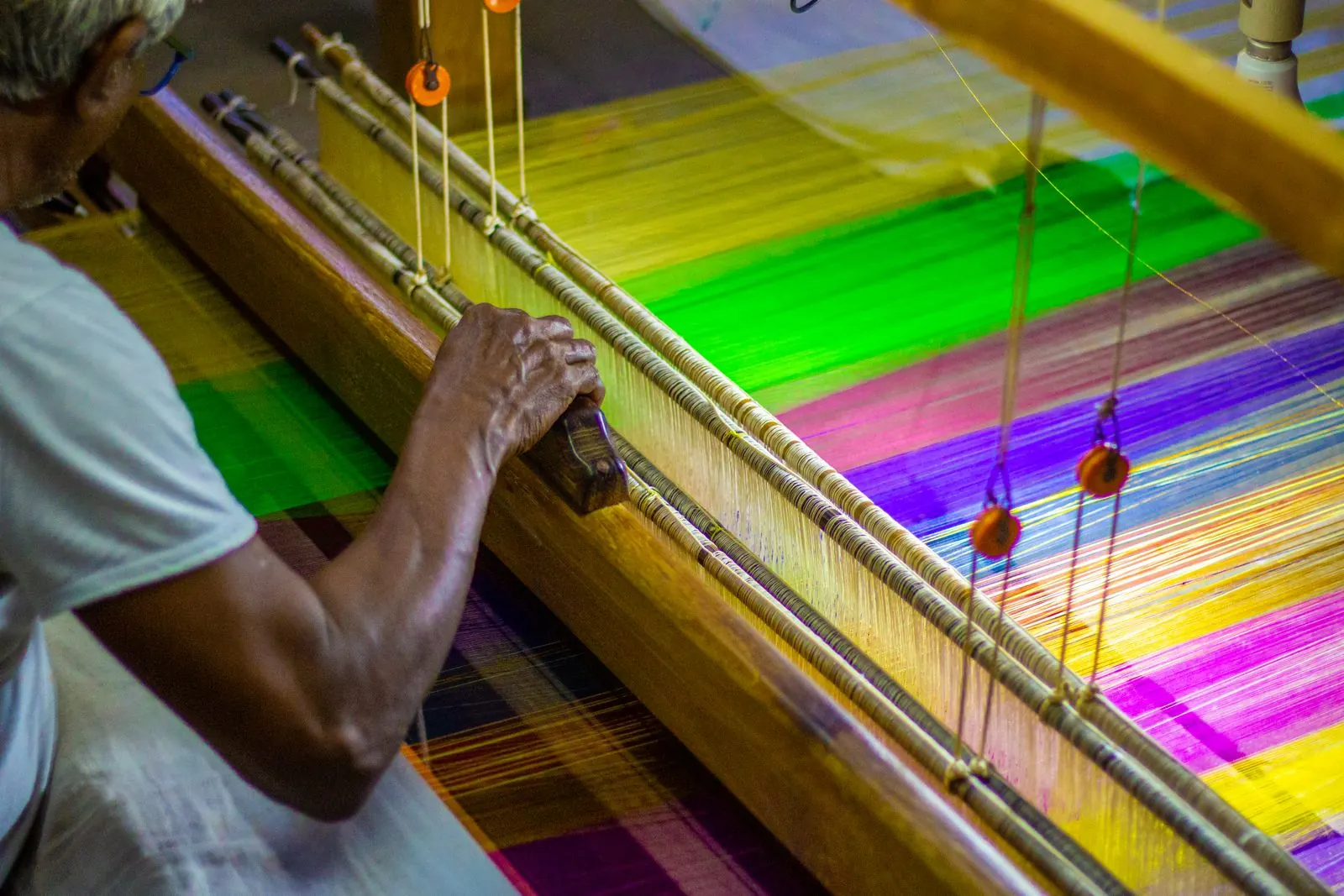
A rarer craft sits inside the old city: kesi, where the image is woven directly into the cloth rather than sewn on. A master on Pingjiang Road opens her workshop to a few visitors at a time. It is the kind of thing you remember by touch.

In Zhenhu, watch an embroiderer split a single silk thread into finer strands, then sew a handkerchief of your own. Two hours, one small square, a new respect for patience.

Kesi is woven, not embroidered — the image appears in the cloth itself. A master on Pingjiang Road opens her workshop to a few visitors at a time. Touch the surface and you will see why it was once worth its weight in gold.
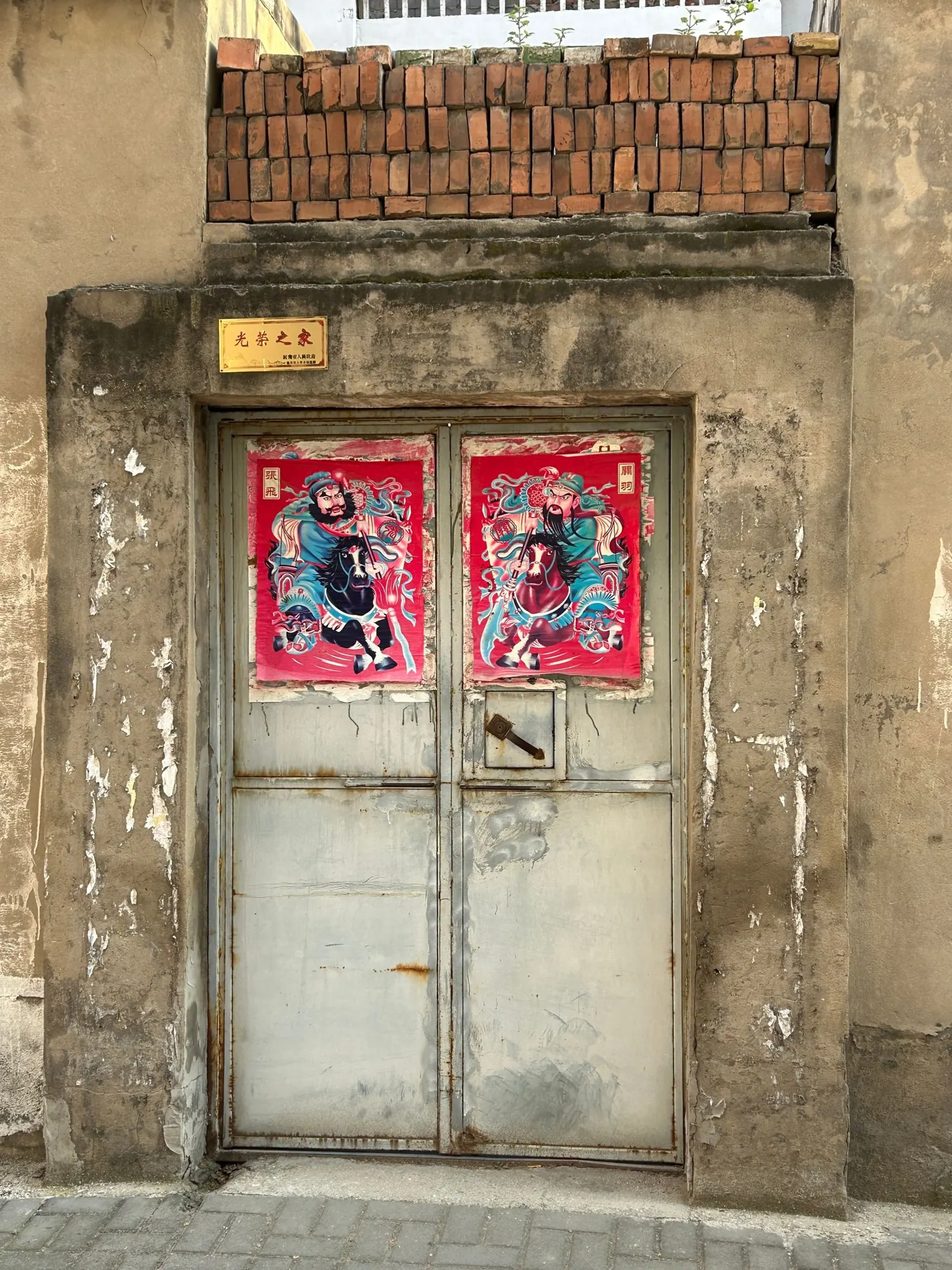
Before an image could be repeated, it had to be cut — into wood, block by block. In the old quarter, that craft survives in the bright prints of Taohuawu: door gods, lucky characters, images that once decorated a million homes.
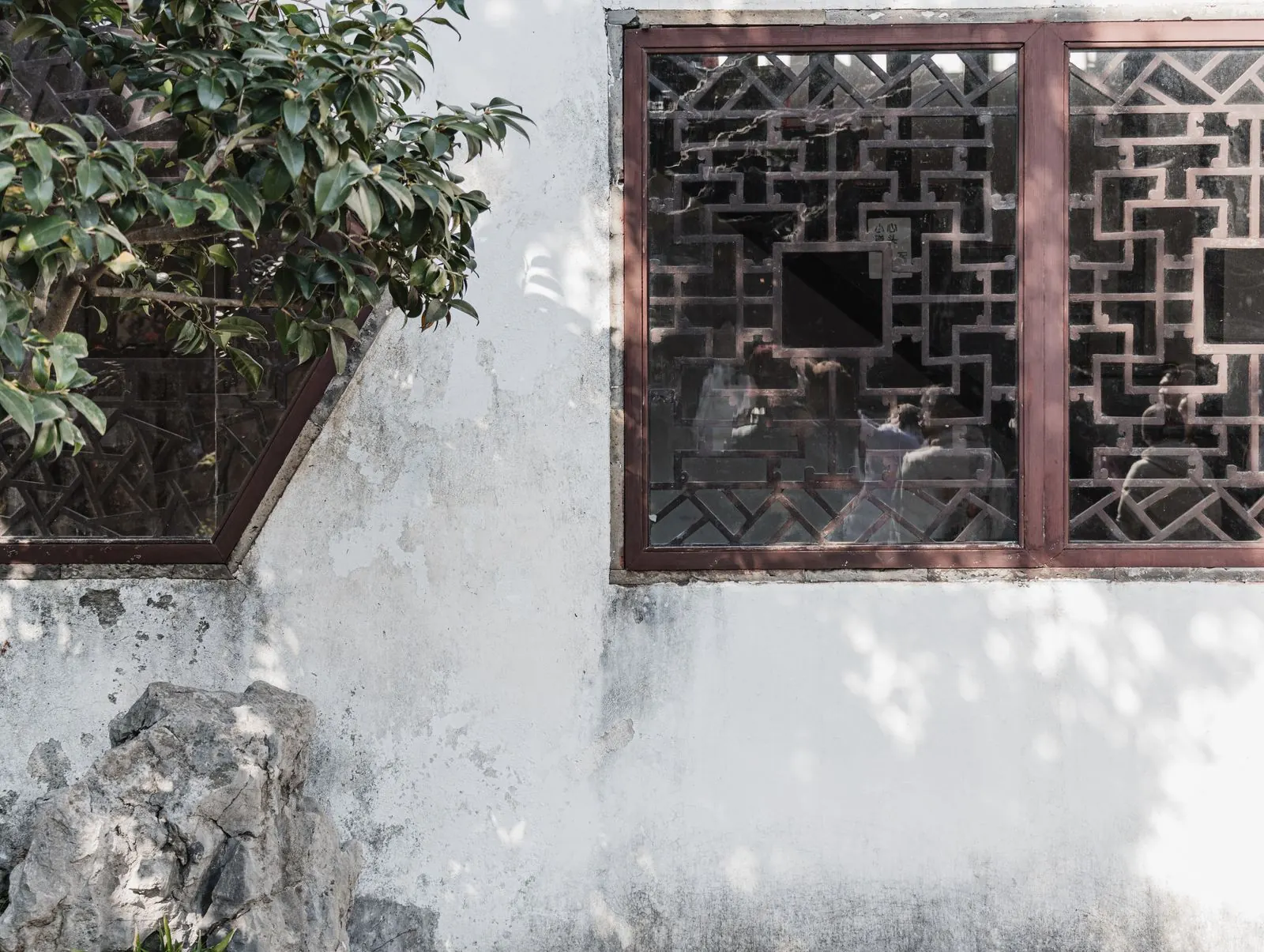
Nearby, carved lattice windows turn a wall into a screen, and a restored temple gathers several crafts under one roof. One street holds enough to fill a slow afternoon.

In a workshop off the old city lanes, a master will guide your hand as you press a New Year print. Leave with a 'fu' — good fortune — made by you.

Walk the old lanes looking for carved lattice windows, then join a session at a restored temple where embroidery, kesi and printmaking masters work side by side. One street, ten crafts.
The last chapter is a hill, a lake and a table. Suzhou's finest tea grows on Dongshan; its water-town kitchens sit an hour south; and a whole day ends the way a Suzhou day should — slowly, and with something good to eat.
None of this was designed for visitors. That is what makes it worth the journey.

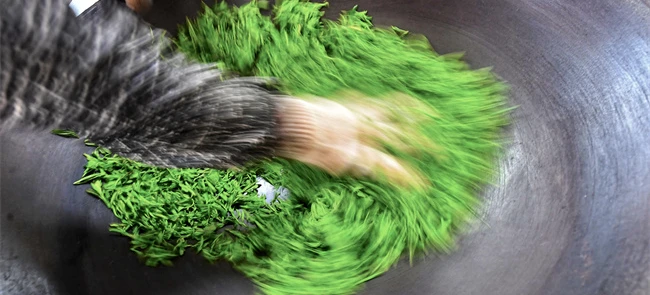
Biluochun grows among fruit trees on the hills around Lake Tai. Walk the old tea path, visit a national-level workshop, and taste a tea whose name means 'green snail spring'.

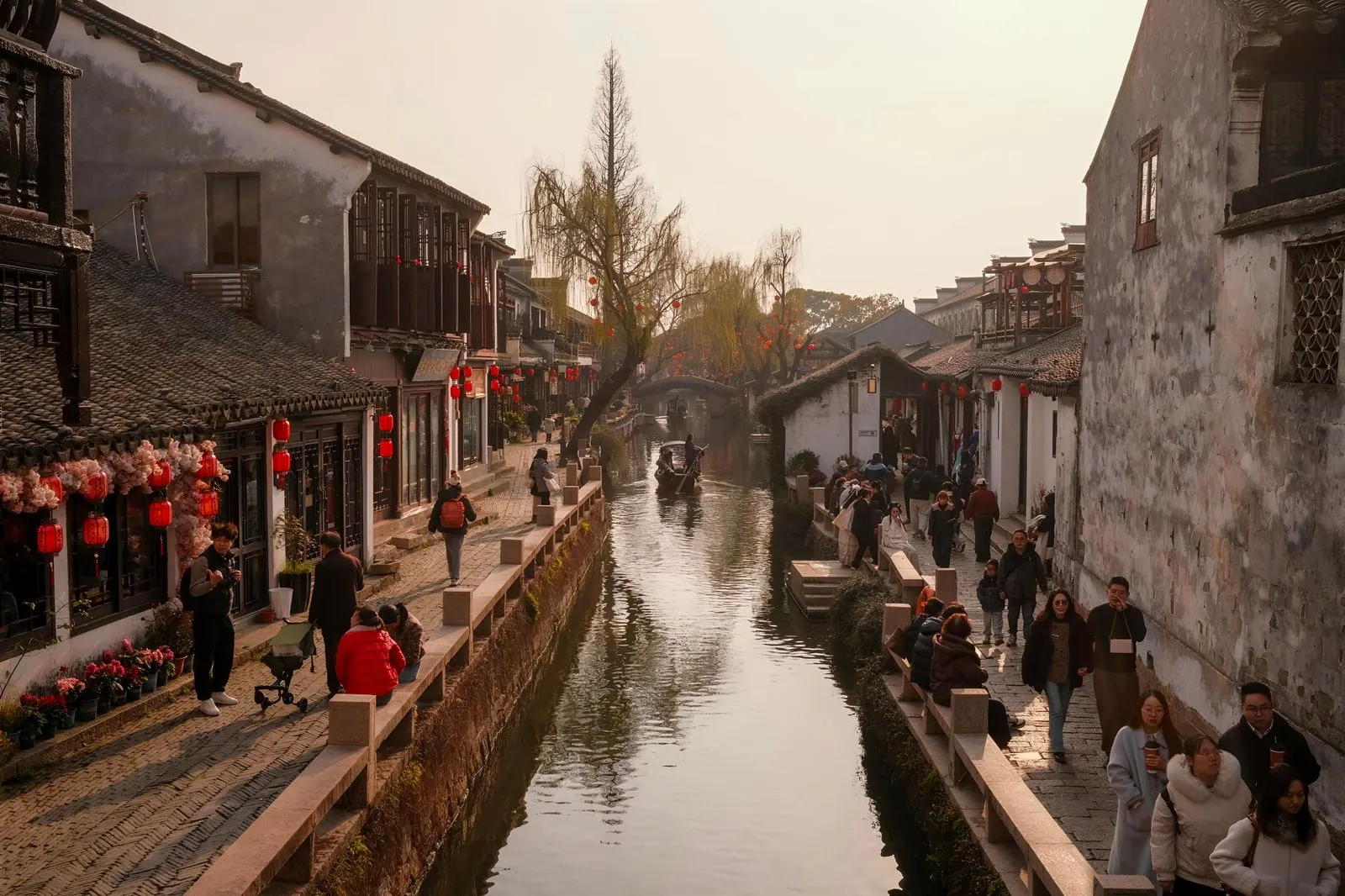
Lili is a water town that chose to keep its makers: a tin-smith, a storyteller, a museum of民间 objects. Walk the canals, taste the local sweets, and meet people whose families have worked here for generations.

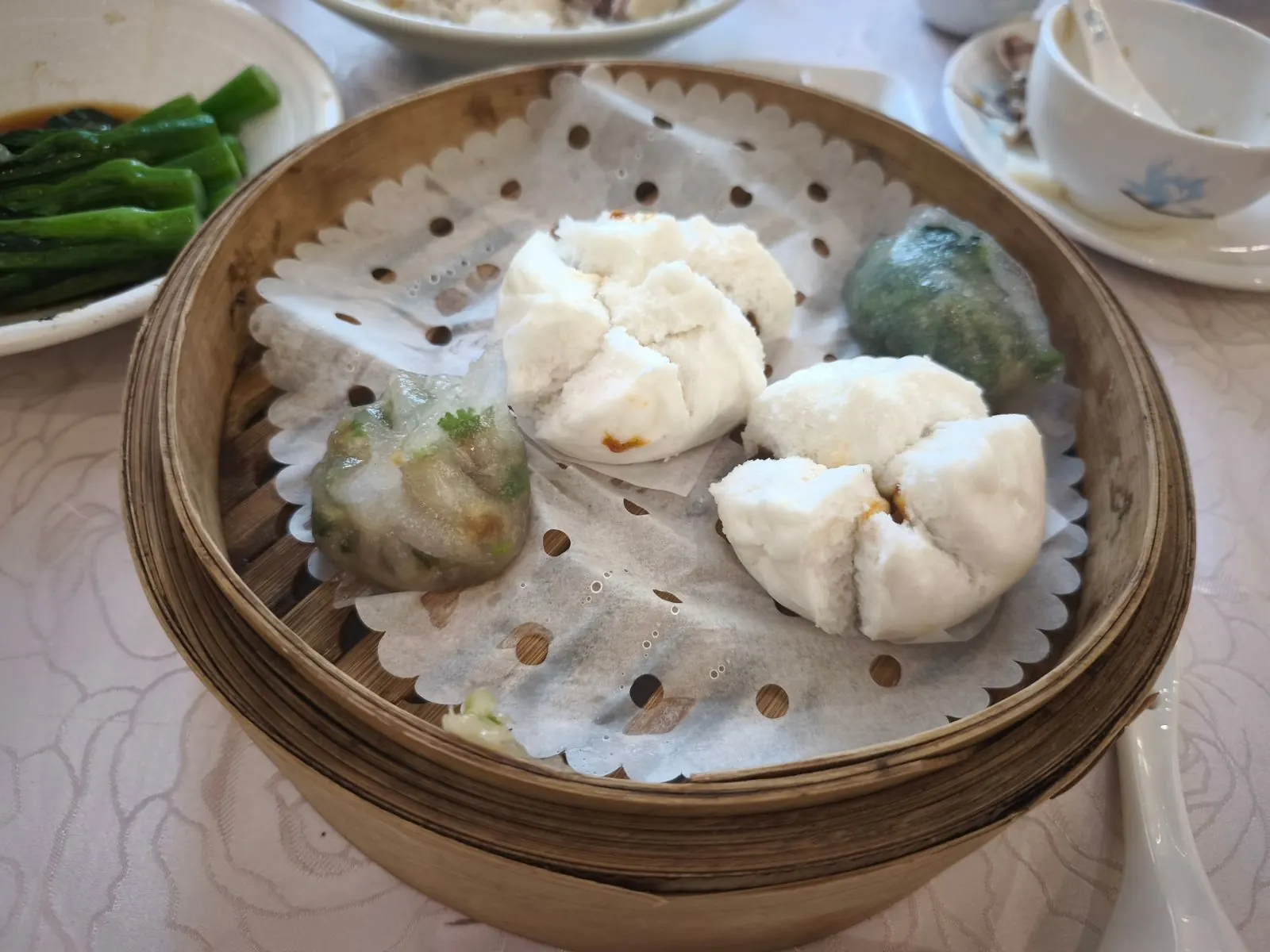
Suzhou refined the ordinary right down to the plate. Learn the pleat of a boat pastry from a master cook, then sit down to a Su-style meal that treats a river fish as seriously as a painting.
"Suzhou did not build monuments. It refined the ordinary."
The nine experiences can be taken alone, or combined. These are the combinations our companions most often build, arranged by how much time you actually have.
Prices are indicative pending final pricing. Routes can be rebuilt around your interests — tell us what you want to make and we will arrange the day.
Suzhou is 25 minutes from Shanghai by high-speed rail, with frequent departures from Shanghai Hongqiao. Your companion can meet you at Suzhou North or Suzhou station.
Kunqu, pingtan, kesi, Taohuawu and the scholar's gardens are all within the old city and connected by walking or a short taxi ride.
Zhenhu is about 40 minutes west; Dongshan about an hour south; Lili about an hour south-east. We include transport for full-day experiences and tell you honestly when a short transit window will not fit.
Visa-free entry currently covers tourism, business, family visits and medical treatment. Study and work still require the appropriate visa in advance. Each experience page states which stay length it fits.
Every experience includes a bilingual companion. No Chinese is needed.
Free cancellation up to 24 hours before each experience. If a maker is unavailable, we offer another date or a full refund.
SinoRoute connects you to medical resources and accompanies you. We do not diagnose, treat or give medical advice. Optional screening and TCM wellbeing can be added to a journey; any consultation is between you and the practitioner.
All nine experiences are on one page, with full itineraries and reservations.
VIEW ALL 9 EXPERIENCES →